Pulp Fiction (1994) — Review, Story, Cast & Where to Watch
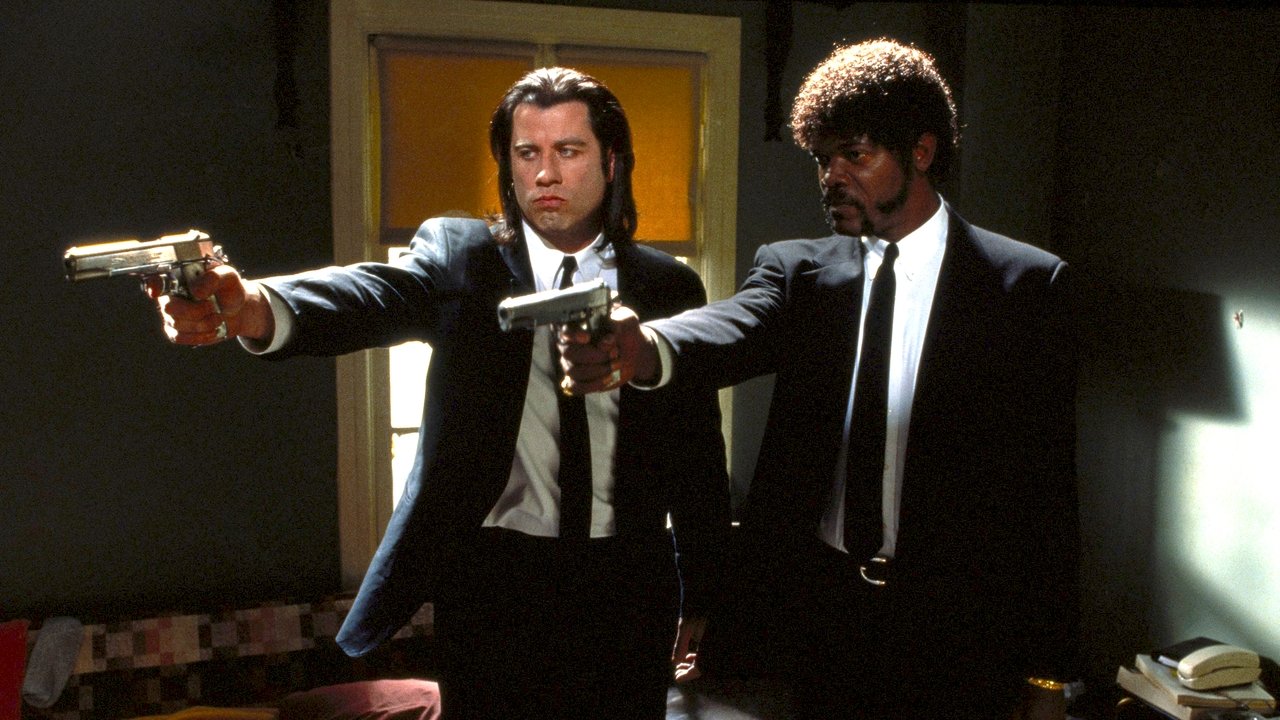
Pulp Fiction (1994) is one of the most talked-about films of the 1990s, a crime drama that broke the rules of storytelling and gave cinema some of its most quoted dialogue. Directed by Quentin Tarantino, it follows two hitmen, a gangster's wife, a boxer and a pair of small-time robbers through a Los Angeles where criminals talk like philosophers and philosophers act like criminals. This article explains the story of Pulp Fiction, introduces the cast and characters, explores the themes of chance, redemption and style, gives an honest review, and shows where you can watch it legally.
What makes Pulp Fiction endure is its voice. No other film sounds like it: criminals discussing hamburgers and foot massages with the seriousness of philosophers, and philosophers acting like criminals with the casualness of ordinary people. That voice, funny, strange and endlessly quotable, is why the film is still watched and imitated today. This guide explains its interwoven stories, its characters, and the ideas hiding inside its jokes.
- Title: Pulp Fiction
- Year: 1994
- Channel / Studio: Miramax — Miramax Films, A Band Apart, Jersey Films; directed by Quentin Tarantino
- Genre: Crime, Drama (Black comedy)
- Length: Runtime: 154 minutes (2 hours 34 minutes)
What Happens in Pulp Fiction
In Los Angeles, two hitmen, Vincent Vega and Jules Winnfield, work for the gangster Marsellus Wallace, carrying out jobs and arguing about hamburgers, foot massages and what it all means. Their day is the backbone of the film, and their conversations, funny, strange and oddly thoughtful, are what make the film so distinctive. These are killers who discuss the world like ordinary people, and the film finds humour and humanity in that contrast. Their day crosses paths with Mia, Marsellus's wife, whose night out with Vincent goes badly wrong in a scene that is both tense and darkly comic.
The story also follows Butch, a boxer who is paid to lose a fight and decides to win it instead, a choice that puts his life in danger and forces him to run. His story is the film's most suspenseful, a man trying to escape the consequences of a single act of defiance. And there is a pair of small-time robbers who pick the wrong diner, a scene that opens and closes the film and ties its stories together. Told out of order, the film weaves these stories together into one darkly funny, violent and endlessly quotable portrait of criminals who talk like philosophers. The non-linear structure is not a trick: it changes how the audience sees the characters, letting us know their fates before we see their choices, and making their conversations feel heavier with meaning.
The film's structure is its boldest choice. It tells its stories out of order, so the audience meets characters, learns their fates, and then goes back to see the choices that led there. That order changes everything: a conversation between Vincent and Jules feels different once you know what happens to them later, and a scene that seems like a joke gains weight when you know its consequences. The diner robbery that opens and closes the film is the clearest example: the same moment, seen twice, means something different the second time, because the audience now knows the people in it. Vincent and Jules's day is the film's spine, a series of jobs that go wrong in ways that are both funny and frightening. Their conversations fill the gaps between the violence, and the film's genius is that those conversations are the point: they show two men trying to make sense of a life built on killing. Mia's night out with Vincent is the film's most famous sequence, a dance, a dinner and a disaster that turns on a single mistake, while Butch's story is the film's most suspenseful, a boxer who wins a fight he was paid to lose and must run for his life.
The Cast of Pulp Fiction
John Travolta plays Vincent Vega, the hitman whose cool exterior hides a man who is often out of his depth. Travolta brings a relaxed, funny charm to Vincent, and his scenes with Samuel L. Jackson are the film's most famous. Jackson plays Jules Winnfield, Vincent's partner, whose long speeches about morality and fate give the film its philosophical edge. Jackson's performance is commanding, funny and, in the film's final stretch, genuinely thoughtful, as Jules begins to question the life he has lived.
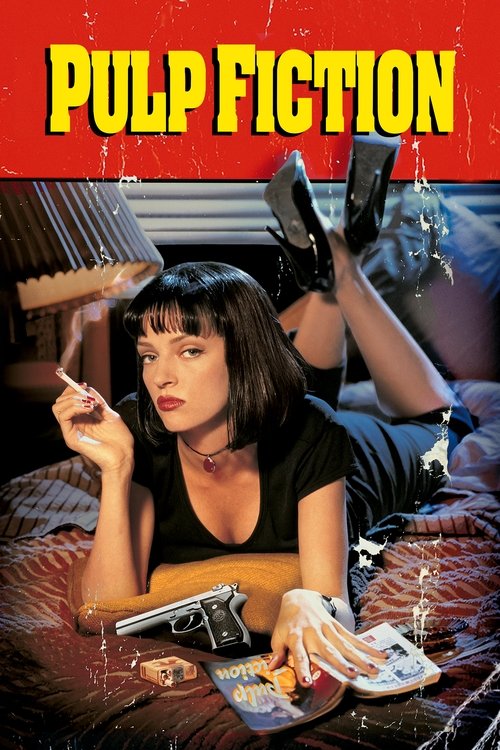
Uma Thurman plays Mia Wallace, Marsellus's wife, whose night out with Vincent is one of the film's most memorable sequences. Thurman makes Mia cool, funny and unpredictable, a character who is always in control even when things go wrong. Bruce Willis plays Butch Coolidge, the boxer who refuses to lose, bringing toughness and determination to a man fighting for his life. Ving Rhames plays Marsellus Wallace, the gangster whose power hangs over every story, and Harvey Keitel plays Winston Wolfe, the fixer called in when things go badly wrong, whose calm efficiency is both funny and frightening.
Travolta's Vincent is a revelation, a hitman who is cool on the surface and often lost underneath, and Travolta plays him with a relaxed charm that makes his worst moments funny rather than cruel. Jackson's Jules is the film's moral centre, a killer who quotes scripture before a job and begins, across the course of the film, to wonder whether his life has a purpose. Jackson's long speeches are the film's most famous passages, delivered with a rhythm and authority that make them feel like sermons. Thurman's Mia is cool, funny and unpredictable, a character who is always in control even when things go badly wrong, and her dance scene with Vincent is one of cinema's most iconic moments. Willis's Butch is tough and determined, a man fighting for his life with a stubbornness that makes him easy to root for.
What Pulp Fiction Is Really About
The central theme of Pulp Fiction is chance. The film is full of accidents, coincidences and near-misses, and it suggests that life, even for the most careful criminals, is shaped by luck as much as by choice. A second theme is redemption. Jules, in particular, begins to wonder whether his life has a purpose beyond violence, and the film treats that question seriously, even in the middle of its jokes. There is also a theme of style itself: the film is obsessed with how people talk, how they dress, and how they present themselves, and it suggests that style is not superficial but a way of understanding the world.
Pulp Fiction will appeal to viewers who love crime films, sharp dialogue and bold storytelling, and to anyone who enjoys a film that breaks the rules. At 154 minutes, it is a long film, but its energy never flags, and its structure rewards viewers who pay attention to how the stories connect. It is not a film for everyone, but for its audience it is endlessly rewatchable.
Another theme is the way people talk. The film is obsessed with conversation, and it suggests that the way people speak reveals who they are: Vincent and Jules's long discussions show two men trying to think their way through a violent life, while the robbers in the diner reveal their fear and bravado in every line.
Is Pulp Fiction Worth Watching?
Pulp Fiction is a brilliant and influential film. Its greatest strengths are its writing and its performances: the dialogue is funny, strange and endlessly quotable, and the cast delivers it with perfect timing. The non-linear structure is handled with confidence, the soundtrack is superb, and the film's mix of violence and humour is daring. It changed what crime films could be, and its influence can still be felt today. The film is a masterclass in style, and it is enormous fun to watch.
The film's weaknesses are real, though. Its violence is graphic, and its humour can feel cold to viewers who prefer warmth. Some of the language and attitudes are of their time, and the film's episodic structure means some stories are stronger than others. But these are the risks the film takes deliberately, and they are part of what makes it distinctive. Pulp Fiction is a landmark of modern cinema, a bold, funny and unforgettable film that rewards watching more than once.
The film also deserves praise for its confidence. It trusts its audience to follow a non-linear story, to enjoy long conversations, and to find humour in dark places, and that trust is repaid. The soundtrack is superb, the direction is stylish without ever feeling empty, and the film's influence on cinema is enormous. On the weaker side, its violence is graphic, and its humour can feel cold to viewers who prefer warmth. Some of the language and attitudes are of their time, and the film's episodic structure means some stories are stronger than others. But these are the risks the film takes deliberately, and they are part of what makes it distinctive.
Where to Watch Pulp Fiction
Pulp Fiction is available to stream legally on Paramount+, and it is also available to rent or buy on Amazon Prime Video and Apple TV. Availability can vary by country, so check your local catalogue if it is not showing on one of these services in your region. The film runs for 154 minutes, just over two hours and a half. It is a crime drama with strong language, graphic violence and drug use, so it is strictly for adult viewers. Watching it with attention to the order of the stories is part of the fun, and a second viewing reveals connections that are easy to miss the first time.
Watching it with attention to the order of the stories is part of the fun, and a second viewing reveals connections that are easy to miss the first time, including the way the opening and closing scenes mirror each other.
More about Pulp Fiction: cast, story, official trailer & where to watch »
Also Read
Next Article: The Lord of the Rings: The Fellowship of the Ring »