The Lord of the Rings: The Return of the King (2003) — Review, Story, Cast & Where to Watch
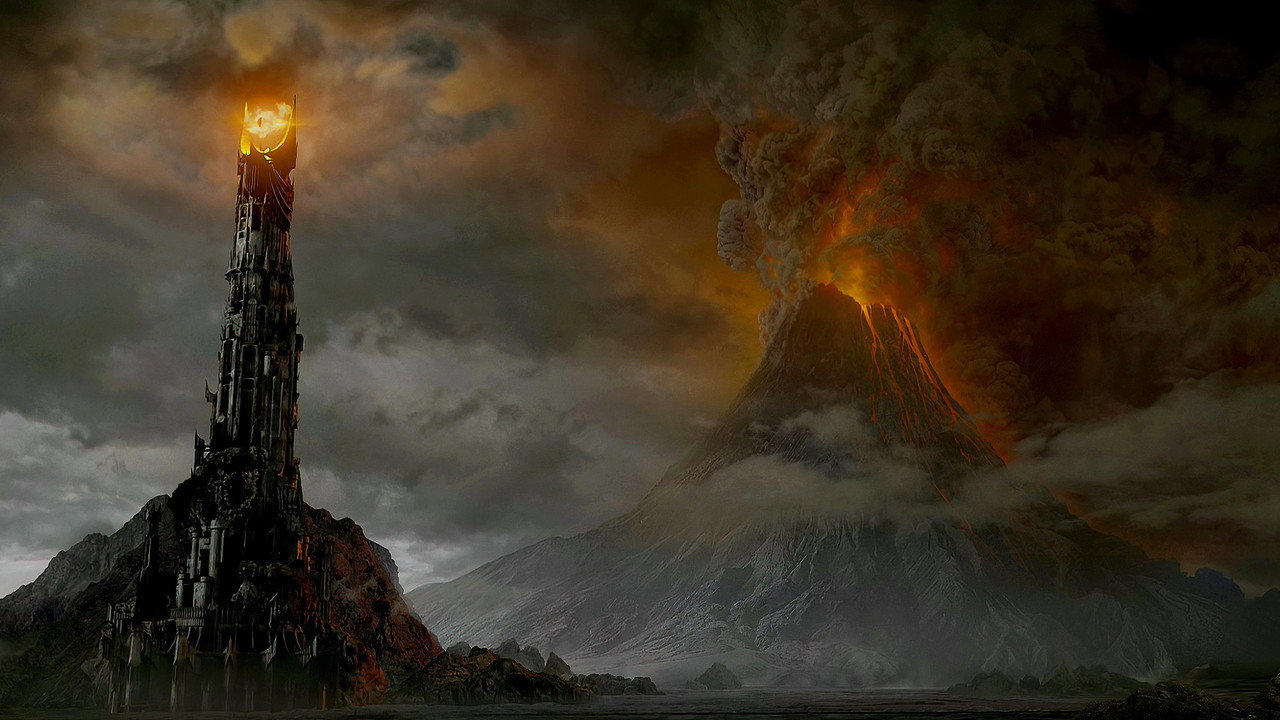
The Lord of the Rings: The Return of the King (2003) is the final chapter of one of the greatest fantasy adventures ever told, and one of the most celebrated films of its era. Directed by Peter Jackson and based on the novel by J.R.R. Tolkien, it brings the journey of Frodo and the war against Sauron to a sweeping conclusion. This article explains the story of The Return of the King, introduces the cast and characters, explores the themes of friendship, sacrifice and hope, gives an honest review, and shows where you can watch it legally.
What makes The Return of the King endure is that it delivers on a promise made across two earlier films. It brings together every thread, every character and every battle, and resolves them in a conclusion that is both spectacular and deeply moving. This guide explains how the final chapter works, who carries it, and why its ending, with all its farewells, still moves audiences today.
- Title: The Lord of the Rings: The Return of the King
- Year: 2003
- Channel / Studio: Warner Bros. Pictures — New Line Cinema, WingNut Films; directed by Peter Jackson; based on the novel by J.R.R. Tolkien
- Genre: Epic Fantasy, Adventure
- Length: Runtime: 201 minutes (3 hours 21 minutes)
What Happens in The Lord of the Rings: The Return of the King
The final chapter of the journey begins with the world at war. As the armies of Sauron gather for the greatest battle Middle-earth has ever seen, Aragorn must claim his birthright as king and lead the free peoples of the West against the darkness, while Gandalf holds the white city of Gondor against an overwhelming siege. The film moves between these two great struggles, showing a war fought on a scale the earlier films only hinted at. The siege of Gondor is one of the most spectacular battle sequences ever filmed, and it is also a story about leadership, courage and despair, as the city's defenders face an enemy that seems impossible to stop.
Far away, Frodo and Sam crawl toward Mount Doom, carrying the One Ring through a dead land, with Gollum at their heels and the Ring growing heavier with every step. Their journey is the opposite of the great battle: small, slow and almost unbearably hard. Frodo weakens with each step, and Sam must carry him, literally and emotionally, through the final stretch. Everything comes down to two battles fought at the same time: one of swords and courage in the open, and one of willpower in the dark. It is a sweeping ending about friendship, sacrifice and the small acts of bravery that change the world, and its conclusion is both triumphant and bittersweet, because the film is honest that victory has a cost, and that some wounds do not heal.
The siege of Gondor is the film's great set piece, and Jackson films it as both spectacle and human drama. The white city, with its towers and walls, faces an army that seems endless, and the film shows the defenders' fear, courage and despair in equal measure. Gandalf's leadership holds the city together, and his scenes, rallying soldiers who have lost hope, are among the film's most rousing. Aragorn's journey to claim his birthright runs alongside the siege: he must walk a path through the dead, summoning an army that owes a debt, and accept the crown he has spent his life avoiding. His acceptance is the film's political heart, a man becoming a king not because he wants power but because his people need him. Meanwhile, Frodo and Sam's crawl toward Mount Doom is filmed as the opposite of the great battle: small, slow and almost unbearably hard, with the landscape itself dead and hostile. Gollum's presence grows more dangerous as the Ring's pull strengthens, and the film's climax turns on a moment of weakness that only Gollum's own obsession can resolve.
Who Stars in The Lord of the Rings: The Return of the King
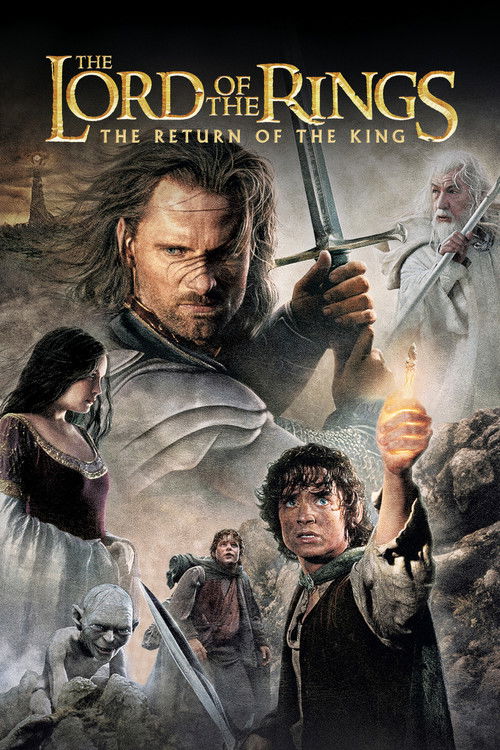
Elijah Wood plays Frodo Baggins in his most demanding performance, showing a hobbit worn down by the Ring until he can barely walk or think. Wood makes Frodo's exhaustion and determination feel real, and his final scenes are heartbreaking. Ian McKellen plays Gandalf, who leads the defence of Gondor with wisdom and fury, and McKellen gives the wizard a commanding presence that holds the film's largest scenes together. Viggo Mortensen plays Aragorn, who must finally accept his birthright as king, and Mortensen shows the weight of that acceptance: a man who has run from his destiny and must now embrace it.
Sean Astin plays Samwise Gamgee, whose loyalty carries Frodo through the final journey, and Astin's performance is the emotional heart of the film. His Sam is brave, stubborn and loving, and the film's most moving moments belong to him. Andy Serkis plays Gollum, the creature whose obsession with the Ring drives the story's final twist, in a performance that blends motion capture with a deeply human portrayal of addiction and longing. Orlando Bloom returns as Legolas, whose skill in battle and loyalty to the fellowship remain vital to the end.
Wood's Frodo carries the film's hardest scenes, showing a hobbit worn down by the Ring until he can barely walk or think, and his final moments at Mount Doom are heartbreaking in their exhaustion. McKellen's Gandalf is the film's commanding presence, leading the defence of Gondor with wisdom and fury, and McKellen gives the wizard a warmth that keeps the largest scenes human. Mortensen's Aragorn completes his arc in this film, from a ranger who doubts his birthright to a king who accepts it, and Mortensen shows the weight of that acceptance in every scene. Astin's Sam is the film's true hero in many ways: his loyalty carries Frodo through the final journey, and Astin's performance, brave, stubborn and loving, provides the film's most moving moments. Serkis's Gollum is a marvel, a performance that blends motion capture with a deeply human portrayal of addiction and longing, and his final scenes are both pitiable and terrifying.
Themes and What Makes The Lord of the Rings: The Return of the King Work
The central theme of The Return of the King is sacrifice. The film shows that victory is not free: it costs lives, friendships and innocence, and the characters who survive must live with what they have lost. A second theme is hope in the darkest hour. The film's darkest moments come just before its turning point, and it insists that hope is worth holding even when the odds seem impossible. There is also a theme of homecoming and change. The characters who return home find that home has changed, and so have they, and the film is honest that some journeys change you in ways that cannot be undone.
The Return of the King will appeal to viewers who love epic fantasy, great battles and emotional storytelling, and to anyone who has followed the journey from the beginning. At 201 minutes, it is a very long film, but its scale and its emotion justify the length, and it provides a conclusion that feels earned.
Another theme is the cost of victory. The film is clear that winning a war does not undo what the war took: lives, innocence and peace of mind are lost, and the survivors must live with that loss.
Is The Lord of the Rings: The Return of the King Worth Watching?
The Return of the King is a magnificent conclusion. Its greatest strengths are its scale and its emotion: the battles are spectacular, the story's two threads are balanced with skill, and the film's ending is deeply moving. The performances are excellent across the board, and the direction is confident and clear. The film brings together every thread of the trilogy and resolves them with care, giving each character a moment that feels earned. It is a rare blockbuster that is both huge and intimate.
The film's weaknesses are its length and its many endings, which some viewers find too drawn out. At 201 minutes, it asks a lot of its audience, and the final stretch, with its series of farewells, can feel slow after the climax. But these are small complaints against a film of such ambition and heart. The Return of the King is a fitting end to one of cinema's great trilogies, and it remains a landmark of fantasy filmmaking.
The film also deserves praise for its balance. It juggles two very different stories, a great war and a small, desperate journey, and keeps both moving without losing either. The battles are spectacular, the quiet scenes are given time to breathe, and the film's ending, with its series of farewells, is emotionally generous. On the weaker side, its length is demanding, and the many endings can feel drawn out after the climax.
How to Watch The Lord of the Rings: The Return of the King Legally
The Return of the King is available to stream legally on HBO Max, and it is also available to rent or buy on Amazon Prime Video and Apple TV. Availability can vary by country, so check your local catalogue if it is not showing on one of these services in your region. The film runs for 201 minutes, three hours and twenty-one minutes, so plan for a long viewing session. It is an epic fantasy adventure with large battle scenes and intense moments, and it is best watched on the biggest screen available, ideally after watching the two earlier films.
The film is best watched on the biggest screen available, ideally after watching the two earlier films, since its power depends on the journey that came before. Its three hours and twenty-one minutes make it the longest of the trilogy, so plan for a full evening. Check the streaming options listed above for your country, since availability varies by region.