Oppenheimer (2023) — Review, Story, Cast & Where to Watch
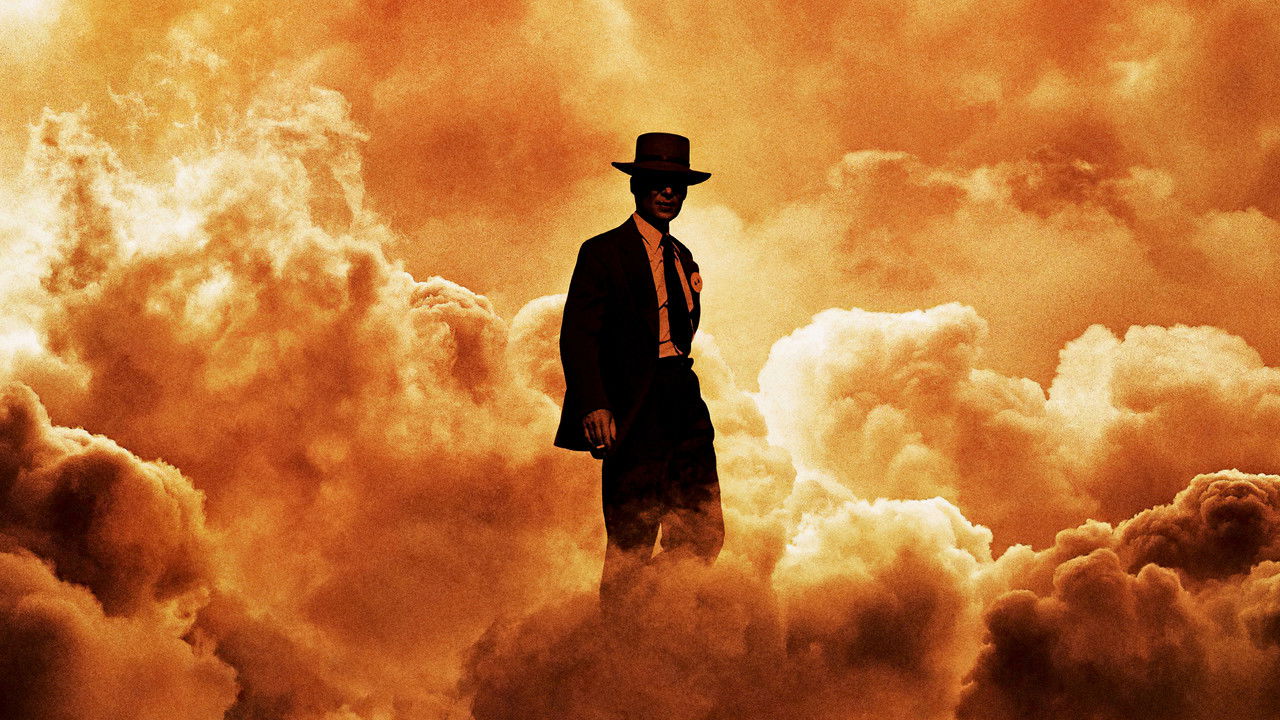
Oppenheimer (2023) is Christopher Nolan's biographical drama about J. Robert Oppenheimer, the brilliant physicist who led the Manhattan Project, America's secret race to build the atomic bomb. It is a story about genius, power and the price of changing history, told across decades and with a huge cast. This article explains the story of Oppenheimer, introduces the cast and characters, explores the themes of science, responsibility and politics, gives an honest review, and shows where you can watch it legally.
What makes Oppenheimer special is its seriousness. It is a three-hour film about a physicist, built around conversations, hearings and moral arguments, and it is as tense as any thriller. It asks what happens when a scientist creates something that changes the world, and then has to live with what he made.
The film's structure is its boldest choice. It moves between the building of the bomb and the hearings that destroyed Oppenheimer's reputation, showing a man's triumph and his fall side by side, and asking the audience to hold both at once.
- Title: Oppenheimer
- Year: 2023
- Channel / Studio: Universal Pictures — Universal Pictures, Syncopy, Atlas Entertainment; directed by Christopher Nolan; based on American Prometheus by Kai Bird and Martin J. Sherwin
- Genre: Biographical Drama, Thriller, Historical
- Length: Runtime: 180 minutes (3 hours 0 minutes)
Story of Oppenheimer — Explained
J. Robert Oppenheimer is a brilliant physicist who, during the Second World War, is put in charge of the Manhattan Project, America's secret race to build the atomic bomb before the Nazis do. The film follows Oppenheimer from his student days through his rise as a scientist, showing a man whose brilliance is matched by his contradictions: he is charming and difficult, idealistic and ambitious, a man who wants to change the world and is not always sure how. In the New Mexico desert, he gathers the greatest scientific minds of the age and builds a weapon that no one fully understands, knowing it could end the war or end the world.
The building of the bomb is the film's centre, and Nolan films it as both a scientific achievement and a moral crisis. The scientists argue, compete and collaborate, and the tension grows as the test approaches. When the first bomb explodes, the film's most famous sequence, Oppenheimer realises what he has made, and his triumph turns into a burden he will carry for the rest of his life. The explosion is filmed with awe and horror, and the silence that follows it is the film's most powerful moment.
Years later, as politicians turn on him and question his loyalty, Oppenheimer must answer for the choices he made. The film's second half is a political drama, showing hearings, betrayals and the slow destruction of a reputation, and it is as tense as the building of the bomb. It is a story about genius, power and the price of changing history, and its ending is a quiet, devastating reflection on what Oppenheimer made and what it made of him.
The film's first half follows Oppenheimer's rise: his student days in Europe, his return to America, and his growing reputation as a brilliant, difficult physicist. Nolan shows a man who is charming and ambitious, who collects friends and enemies with equal ease, and whose personal life is as complicated as his work. The Manhattan Project itself is presented as a race against time, with the Nazis as the feared rival, and the film shows the scientists working in the desert with a sense of urgency that is both exciting and frightening. The test of the bomb, the Trinity test, is the film's centrepiece, filmed with a restraint that makes it more powerful: the light, the silence, and the realisation on Oppenheimer's face that he has changed the world. The second half is a different kind of thriller, a political drama about hearings, loyalty and betrayal.
Who Stars in Oppenheimer
Cillian Murphy plays J. Robert Oppenheimer in a career-defining performance. Murphy shows Oppenheimer's brilliance and his contradictions: a man who is charming and difficult, idealistic and ambitious, and whose face carries the weight of what he has done. His performance is mostly quiet, built on looks and silences, and it gives the film its soul. Emily Blunt plays Kitty Oppenheimer, his wife, whose intelligence and frustration give the film its domestic tension, and whose loyalty is tested by her husband's choices.
Matt Damon plays Lieutenant General Leslie Groves, the military man who puts Oppenheimer in charge and protects the project, bringing a gruff, practical energy to the role. Robert Downey Jr. plays Lewis Strauss, the politician whose rivalry with Oppenheimer drives the film's second half, in a performance that is sly, bitter and compelling. Florence Pugh plays Jean Tatlock, a fellow scientist and Oppenheimer's lover, whose story adds to the film's sense of a man whose personal life is as complicated as his work, while Josh Hartnett plays Ernest Lawrence, a fellow physicist and friend whose loyalty is tested by the politics around them.
Murphy's Oppenheimer is a performance built on stillness: his face carries the film, and his eyes show a man who understands what he has done before anyone else does. Blunt's Kitty is fierce and frustrated, a wife whose intelligence is wasted by the life she is given, and whose loyalty to Oppenheimer is tested by his choices. Damon's Groves is the film's practical centre, a general who understands that science needs protection and politics needs results, and who defends Oppenheimer until he can no longer do so. Downey's Strauss is the film's great antagonist, a man whose charm hides a deep resentment, and Downey plays him with a bitterness that makes his campaign against Oppenheimer feel personal.

What Oppenheimer Is Really About
The central theme of Oppenheimer is responsibility. The film asks who is responsible for a weapon: the scientist who builds it, the politician who orders it, or the soldier who uses it, and it refuses to give a simple answer. A second theme is the relationship between science and power: the scientists build the bomb to end a war, but the bomb becomes a political tool, and the film shows how quickly a scientific achievement becomes a weapon of state.
There is also a theme of reputation and betrayal. Oppenheimer's fall is not the result of a single act but of years of political manoeuvring, and the film shows how a hero can be destroyed by the same system that once needed him. Oppenheimer will appeal to viewers who love historical drama, biographical stories and serious cinema, and to anyone who enjoys a film that asks big questions. At 180 minutes, it is a long film, but its tension never flags.
Another theme is the relationship between genius and morality. Oppenheimer is brilliant, but the film asks whether brilliance excuses the choices he makes, and whether a scientist can claim that his work is separate from its uses. There is also a theme of history and hindsight: the film is told from the perspective of men looking back, and it shows how the meaning of an act changes with time. Oppenheimer will appeal to viewers who love historical drama, biographical stories and serious cinema, and to anyone who enjoys a film that asks big questions and refuses to offer simple answers. It is a film that demands attention and rewards it.
Oppenheimer Review — Our Verdict
Oppenheimer is a remarkable film. Its greatest strengths are Cillian Murphy's performance and Nolan's direction: the film takes a complex, decades-spanning story and makes it clear and gripping, the Trinity test is unforgettable, and the film's structure, moving between the building of the bomb and the hearings that followed, keeps the tension high. The cast is superb across the board, and the film's sound and visuals are extraordinary.
The film's weaknesses are its density and its length. Some viewers may find the large cast and the shifting timelines hard to follow, and the film's three hours demand real attention. A few scenes are talky, and the film's focus on Oppenheimer means other perspectives are less explored. But these are small points. Oppenheimer is a powerful, intelligent and deeply serious film, and one of the most acclaimed of recent years.
The film also deserves praise for its structure. Moving between the building of the bomb and the hearings keeps the tension high, and the film's three hours never feel wasted, because every scene adds to the portrait of its subject. The sound design is extraordinary, and the Trinity test is one of the most memorable sequences in modern cinema. On the weaker side, its density and length will challenge some viewers, and the large cast means some characters have little time. A few scenes are talky, and the film's focus on Oppenheimer means other perspectives are less explored. Even so, Oppenheimer is a powerful, intelligent and deeply serious film, and one of the most acclaimed of recent years.
How to Watch Oppenheimer Legally
Oppenheimer is available to stream legally on Peacock, and it is also available to rent or buy on Amazon Prime Video and Apple TV. Availability can vary by country, so check your local catalogue if it is not showing on one of these services in your region. The film runs for 180 minutes, three hours, so plan for a long viewing session. It is a biographical drama and thriller with intense scenes, and it is best watched without distractions, since its story depends on following conversations and timelines closely.
The film is best watched without distractions, since its story depends on following conversations and timelines closely, and its three hours demand real attention. Watching it in one sitting is ideal, and its intensity benefits from a good screen and good sound. Check the streaming options listed above for your country, since availability varies by region.
More about Oppenheimer: cast, story, official trailer & where to watch »