Fight Club (1999) — Review, Story, Cast & Where to Watch
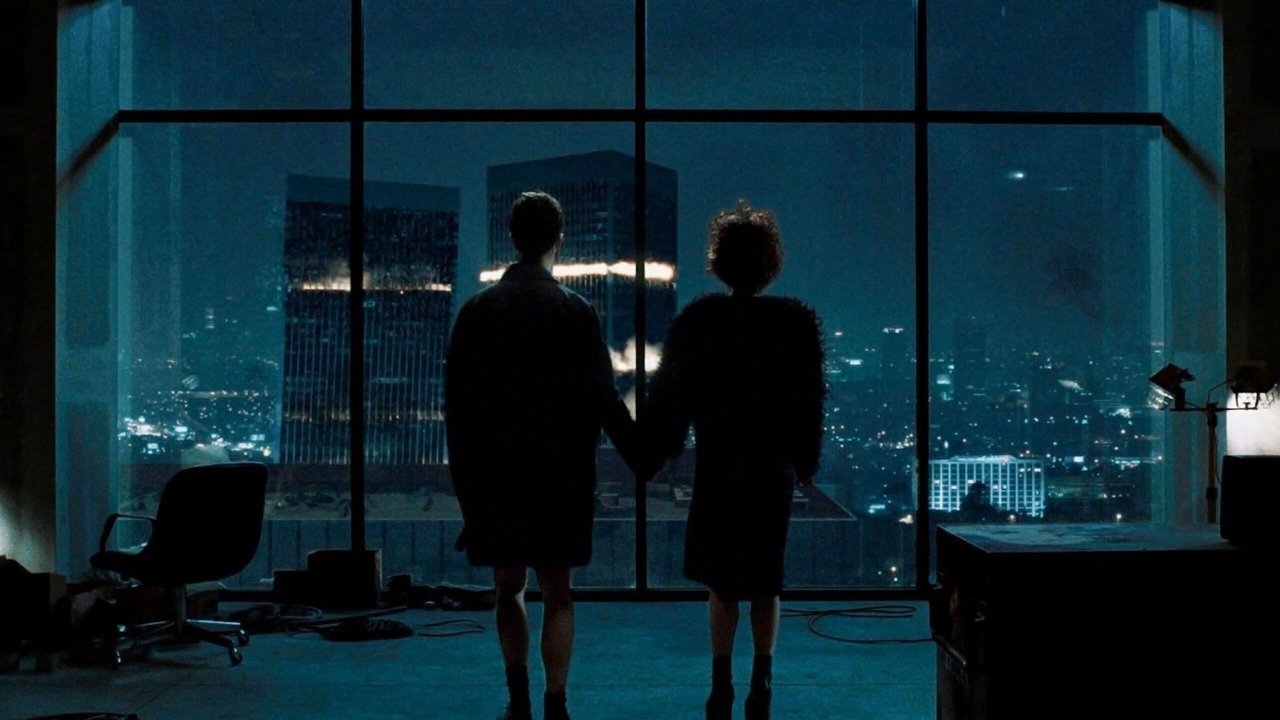
Fight Club (1999) is a dark, twisting story about identity, anger and a man at war with himself. Directed by David Fincher and based on the novel by Chuck Palahniuk, it follows an insomniac office worker who meets Tyler Durden, a soap salesman with a philosophy of chaos, and together they start an underground fight club. This article explains the story of Fight Club, introduces the cast and characters, explores the themes of consumerism, masculinity and identity, gives an honest review, and shows where you can watch it legally.
What makes Fight Club endure is its twist and its anger. It is a film about men who feel empty in a world of shopping and office work, and who find meaning in pain. It is also a film that has been argued about ever since, because its ideas are dangerous and its hero is not who he seems.
The film's style is its substance.
- Title: Fight Club
- Year: 1999
- Channel / Studio: 20th Century Fox — 20th Century Fox, Regency Enterprises; directed by David Fincher; based on the 1996 novel by Chuck Palahniuk
- Genre: Drama, Thriller
- Length: Runtime: 139 minutes (2 hours 19 minutes)
Story of Fight Club — Explained
An insomniac office worker who cannot sleep and cannot feel anything meets Tyler Durden, a soap salesman with a philosophy of chaos, on a flight home. The narrator, as he is known, lives a life of catalogue furniture and office routine, and his insomnia has left him numb. Tyler is everything he is not: confident, free, and contemptuous of the life the narrator leads. Together they start an underground fight club where men beat each other bloody just to feel alive, and the club spreads from city to city like a secret religion.
The fight club's appeal is simple: in a world where men feel powerless, a fight is something real. The film shows the club growing, with rules, rituals and a growing sense of belonging, and the narrator finds, for the first time, a place where he matters. But as the narrator grows closer to Marla, a woman who keeps turning up in his life, he begins to suspect that Tyler is not quite who he seems, and that the club has become something far more dangerous than a way to let off steam. The club's members begin carrying out acts of sabotage, and the narrator realises he has lost control of what he helped create.
It is a dark, twisting story about identity, anger and a man at war with himself, and its ending turns everything the audience thought they knew upside down. The film's final scenes reveal the truth about Tyler and the narrator, and the destruction that follows is both a climax and a reckoning, leaving the audience to decide what the narrator has actually done, and whether he can ever be free of himself.
The club's rules are the film's most famous invention: you do not talk about fight club, and the film's humour comes from how seriously the men take rules that are, at heart, absurd. The fights themselves are brutal and oddly tender, with men who beat each other and then help each other up, and the film shows the club as a place of belonging for men who have nowhere else to belong. As the club grows into Project Mayhem, its acts of sabotage become more serious, and the narrator's horror grows with them. He tries to stop Tyler, tries to warn the police, and discovers that no one will listen, because Tyler's followers see the narrator as Tyler. Marla's role in the story is crucial: she is the one person who sees the narrator clearly, and her presence forces him to confront the truth about himself.
The Cast of Fight Club
Brad Pitt plays Tyler Durden with a charisma that makes the character's dangerous ideas seductive. Pitt's Tyler is funny, confident and magnetic, and the performance works because the audience understands why the narrator, and the club's members, would follow him. Edward Norton plays the Narrator, the insomniac office worker whose emptiness drives the story. Norton's performance is anxious, funny and heartbreaking, a man who cannot sleep, cannot feel, and cannot understand himself.
Helena Bonham Carter plays Marla Singer, the woman who keeps turning up in the narrator's life, bringing a sharp, cynical wit to a character who refuses to be a simple love interest. Meat Loaf plays Robert Paulsen, a member of the fight club whose fate gives the story its most tragic turn. Jared Leto plays Angel Face, a young, beautiful member of the club whose beating is one of the film's most disturbing scenes, while Zach Grenier plays Richard Chesler, the narrator's boss, a symbol of the office world the narrator despises.
Pitt's Tyler is funny, confident and magnetic, and the performance works because the audience understands why the narrator would invent him: Tyler is everything the narrator wishes he could be. Norton's Narrator is anxious, funny and heartbreaking, a man who cannot sleep and cannot feel, and whose journey is the film's real story. Bonham Carter's Marla is sharp and cynical, a woman who refuses to be a simple love interest, and whose honesty forces the narrator to face himself. Meat Loaf's Robert Paulsen is a gentle giant whose fate gives the story its most tragic turn, a man who finds belonging in the club and pays for it with his life. Leto's Angel Face is young and beautiful, and his beating is one of the film's most disturbing scenes, showing how the club's violence can turn on its own members. Grenier's Richard Chesler is the narrator's boss, a symbol of the office world the narrator despises, and his scenes show the pettiness and cruelty of corporate life.

The Ideas Behind Fight Club
The central theme of Fight Club is emptiness. The narrator's life is full of things and empty of meaning, and the film suggests that consumer culture, with its promise that buying will make you happy, has left a generation of men hollow. A second theme is identity: the film asks who you are when you strip away your job, your possessions and your name, and its answer is disturbing. There is also a theme of anger and violence: the film shows men turning to pain because it feels real, and it asks whether that pain is liberation or just another kind of prison.
Fight Club will appeal to viewers who love psychological thrillers, dark satire and bold, unsettling films, and to anyone who enjoys a movie with a twist that changes everything. At 139 minutes, it is a dense, stylish film that rewards a second viewing, since its clues are hidden in plain sight.
Another theme is the search for meaning. The men in the club are not poor or oppressed; they are comfortable, employed and empty, and the film suggests that comfort without purpose is its own kind of prison. There is also a theme of self-destruction as self-discovery: the narrator hurts himself to feel alive, and the film asks whether that pain is liberation or just another kind of prison. Fight Club will appeal to viewers who love psychological thrillers, dark satire and bold films, and to anyone who enjoys a movie with a twist that changes everything. It is a film that rewards a second viewing, since its clues are hidden in plain sight, and it is a film that people argue about because its ideas are dangerous and its hero is not who he seems.
Our Review of Fight Club
Fight Club is a brilliant and disturbing film. Its greatest strengths are its direction and its performances: Fincher's visual style is dark and precise, Pitt and Norton are superb together, and the film's twist is one of the most famous in cinema. The film's satire of consumer culture is sharp, and its energy never flags. It is a film that looks and sounds extraordinary.
The film's weaknesses are real, though. Its ideas are provocative but not always coherent, and its violence, while stylised, can feel like an endorsement of what it claims to criticise. Some viewers will find its treatment of women thin. But these are the risks of a film that wants to provoke. Fight Club is a landmark of modern cinema, a dark, funny and unforgettable film that continues to be argued about.
The film also deserves praise for its visual style. Fincher's direction is dark and precise, the film's look is distinctive, and its use of the narrator's voice gives the story a wry, funny tone. The twist is one of the most famous in cinema, and it is planted with care, so that a second viewing reveals clues that were there all along. On the weaker side, its ideas are provocative but not always coherent, and its violence can feel like an endorsement of what it claims to criticise. Some viewers will find its treatment of women thin. Even so, Fight Club is a landmark of modern cinema, a dark, funny and unforgettable film that continues to be argued about, and it remains one of the most influential films of its era.
How to Watch Fight Club Legally
Fight Club is available to stream legally on Disney+, and it is also available to rent or buy on Amazon Prime Video and Apple TV. Availability can vary by country, so check your local catalogue if it is not showing on one of these services in your region. The film runs for 139 minutes, two hours and nineteen minutes. It is a drama and thriller with strong violence and disturbing themes, so it is strictly for adult viewers. Watching it a second time reveals clues that are easy to miss the first time.
Watching it a second time reveals clues that are easy to miss the first time, including the way Tyler appears in the background of scenes before he is introduced. Its two hours and nineteen minutes pass quickly thanks to the film's energy and its twist. It is strictly for adult viewers, given its strong violence and disturbing themes. Check the streaming options listed above for your country.
More about Fight Club: cast, story, official trailer & where to watch »